Contents
- 1 The Long Wait: A History of Cheque Clearing in India
- 2 A Deep Dive into the RBI New Cheque Clearing System (T+0)
- 3 The Jaw-Dropping Benefits of Same-Day Settlement
- 4 How It Works: A Step-by-Step Breakdown of the T+0 Process
- 5 Navigating the New Era: Challenges and the Path Forward
- 6 Cheques vs. Digital Payments: Where Do They Fit in 2025?
- 7 Conclusion: A Triumph for India’s Financial System
The RBI New Cheque Clearing System: An Ultimate Guide to Same-Day Payments
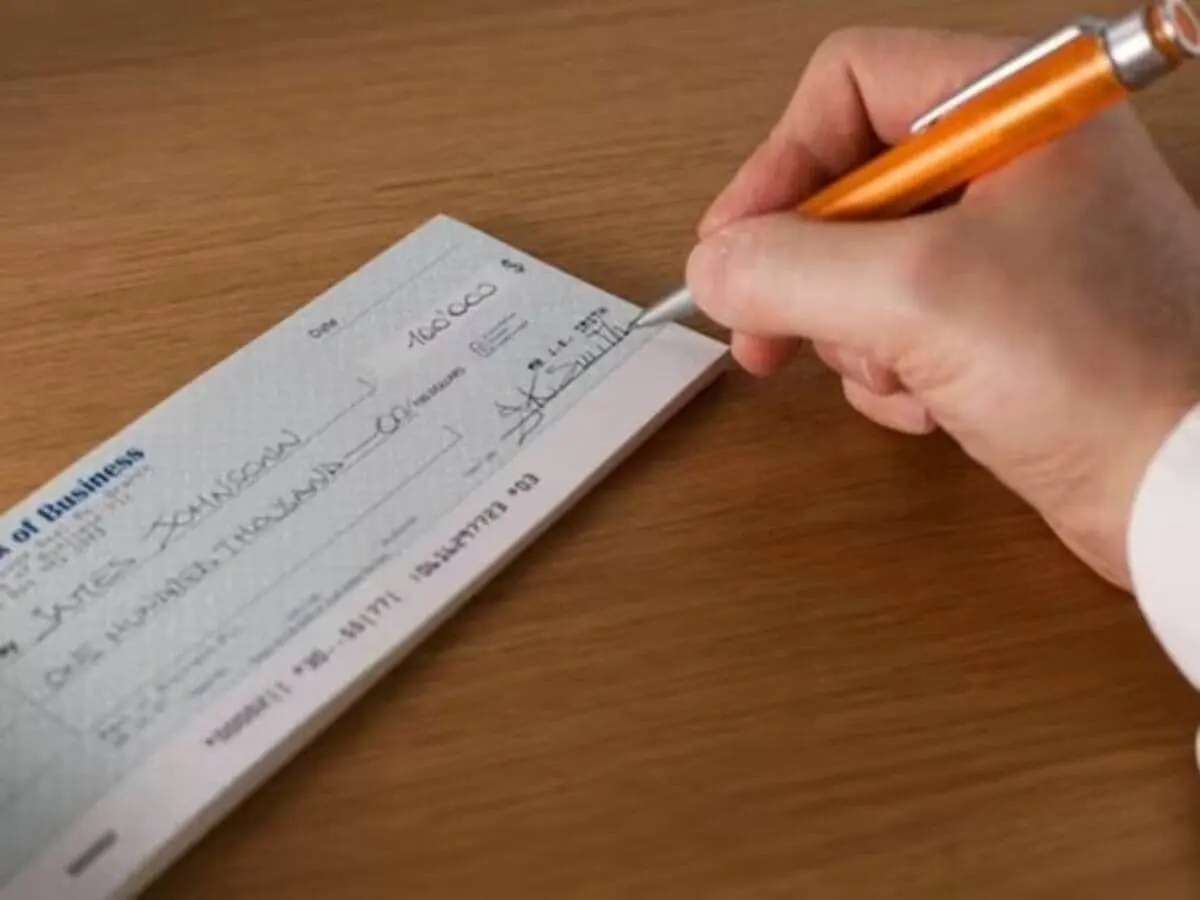
In a revolutionary leap for India’s financial infrastructure, the much-anticipated **RBI New Cheque Clearing System** has now stabilized, heralding a new era of “T+0” or same-day settlements. For decades, the humble cheque has been synonymous with frustrating delays, with funds taking days to become accessible. That reality is now a relic of the past. This groundbreaking reform, executed by the National Payments Corporation of India (NPCI) under the guidance of the RBI, unleashes the true potential of the cheque in a digital age, promising jaw-dropping speed and unprecedented efficiency for millions of individuals and businesses across the country.
This ultimate guide provides a comprehensive, deep dive into this transformative system. We will explore the historical context of cheque clearing in India, dissect the cutting-edge technology behind T+0 settlement, detail the massive benefits for everyone from individual savers in Hyderabad to large corporations in Mumbai, and provide a step-by-step breakdown of how this lightning-fast process works. This isn’t just an update; it’s a complete overhaul that redefines the role of the cheque in the world’s fastest-growing major economy.
Table of Contents
- The Long Wait: A History of Cheque Clearing in India
- A Deep Dive into the RBI New Cheque Clearing System (T+0)
- The Jaw-Dropping Benefits of Same-Day Settlement
- How It Works: A Step-by-Step Breakdown of the T+0 Process
- Navigating the New Era: Challenges and the Path Forward
- Cheques vs. Digital Payments: Where Do They Fit in 2025?
- Conclusion: A Triumph for India’s Financial System
The Long Wait: A History of Cheque Clearing in India
To fully appreciate the monumental nature of the T+0 system, one must understand the journey of cheque clearing in India—a journey that began with physical transportation and has now culminated in instantaneous digital settlement.
The Era of Physical Clearing (Pre-2010)
For most of modern Indian banking history, cheque clearing was a painstakingly slow and manual process. When a cheque was deposited, the physical instrument had to be transported from the payee’s bank (the presenting bank) to the payer’s bank (the drawee bank) for verification and payment. This process involved multiple stages:
- Local Clearing: For cheques within the same city, they were sent to a central clearing house managed by the RBI or a major public sector bank. This process could take 2 to 3 days (T+2 or T+3).
- Outstation Clearing: For cheques drawn on banks in different cities, the physical cheque had to be sent via courier or post. This was a logistical nightmare, with clearing times often extending from 7 days to as long as 15-20 days.
This system was not only slow but also fraught with risks, including loss of cheques in transit, manual errors, and fraud. The delay in accessing funds created immense friction in the economy, locking up capital and causing severe cash flow problems for businesses.
The Breakthrough of the Cheque Truncation System (CTS-2010)
The first revolutionary change came with the nationwide implementation of the Cheque Truncation System (CTS) starting in 2010. “Truncation” refers to the process of stopping the flow of the physical cheque. Instead of transporting the paper instrument, the presenting bank would capture a digital image of the cheque along with its relevant data (like the MICR code, date, and amount) and transmit it electronically to the clearing house and the drawee bank.

CTS was a massive improvement. It dramatically reduced clearing times for outstation cheques, bringing them down to a T+1 or T+2 cycle (settlement in one or two working days). It also enhanced security by introducing standardized cheque features (like watermarks and void pantographs) under the CTS-2010 standard, making fraud more difficult. However, even with CTS, the settlement was still based on batch processing, meaning transactions were processed in groups at specific times, preventing true real-time or same-day credit.
A Deep Dive into the RBI New Cheque Clearing System (T+0)
The **RBI New Cheque Clearing System** is the next logical and revolutionary step in this evolution. It leverages the robust CTS infrastructure but enhances it with real-time processing capabilities to achieve T+0 settlement—the “holy grail” of cheque clearing.
What is T+0 or Same-Day Settlement?
In financial parlance, “T” stands for the transaction day—the day the cheque is presented for clearing. “+0” means the settlement of funds occurs on the very same day. Under this new system, if a cheque is deposited before a specified cut-off time, the funds will be credited to the payee’s account and debited from the payer’s account on the same working day. This effectively eliminates the waiting period and brings the speed of cheque payments tantalizingly close to that of electronic transfers like NEFT and RTGS.
The Technology Unleashed by NPCI
The successful stabilization of this system is a triumph for the National Payments Corporation of India (NPCI). The key technological innovation is the introduction of high-frequency clearing sessions throughout the day. Instead of processing cheques in one or two large batches, the new system processes them in multiple, smaller, near-real-time batches.
The NPCI has implemented a high-performance infrastructure capable of handling millions of transactions with incredible speed and accuracy. The process involves automated validation, real-time communication between banks, and instantaneous fund settlement instructions, ensuring that the entire cycle from presentation to credit is completed within a matter of hours, not days.
This system is particularly focused on high-value cheques (typically those above ₹1 lakh), as these have the most significant impact on business cash flows and the financial system’s liquidity. The Positive Pay System, which requires verification of key details for high-value cheques, is also seamlessly integrated into this new workflow, adding a powerful layer of security against fraud.
The Jaw-Dropping Benefits of Same-Day Settlement
The shift from T+1 to T+0 is not just an incremental improvement; it is a game-changer with profound and far-reaching benefits for every segment of the economy.
For Individual Customers
For the average person, the **RBI New Cheque Clearing System** brings immediate and tangible benefits. Consider a scenario where an individual receives a cheque for a medical emergency or a down payment on a property. Previously, the agonizing wait of 24-48 hours could cause immense stress and financial disruption. Now, with same-day credit, those funds are available almost instantly, providing guaranteed peace of mind and financial agility when it is needed most. It eliminates the uncertainty of “cheque in clearing” and builds immense trust in the banking system.
For Businesses, SMEs, and Corporates
This is where the new system’s impact is truly revolutionary. For businesses, especially Small and Medium Enterprises (SMEs), cash flow is oxygen. The T+0 settlement provides a massive boost to their financial health:
- Skyrocketing Cash Flow Efficiency: A business in Hyderabad receiving a large payment from a client in Delhi can now access those funds on the same day to pay its suppliers, salaries, or other urgent operational expenses. This drastically reduces the working capital cycle.
- Reduced Credit Risk: The risk of a cheque bouncing due to insufficient funds being arranged “tomorrow” is significantly minimized. The immediate debit from the payer’s account provides greater certainty of payment.
- Improved Treasury Management: For large corporations, the ability to receive and consolidate funds from across the country on the same day allows for far more efficient and profitable treasury management. Idle funds can be invested overnight, generating better returns.
For the Broader Economy
At a macroeconomic level, the **RBI New Cheque Clearing System** strengthens the entire financial ecosystem. By speeding up the velocity of money, it unlocks capital that was previously stuck in the clearing system, making the economy more dynamic and efficient. It significantly reduces “settlement risk”—the risk that one party defaults on its obligation during the clearing period—which is a major concern for the stability of the financial system.
How It Works: A Step-by-Step Breakdown of the T+0 Process
The genius of the new system lies in its seamless integration of existing technology with a new, faster processing logic. Here is a simplified step-by-step guide:
- Cheque Presentation (Before Cut-Off): The payee deposits the cheque at their bank branch or through a smart ATM before the specified cut-off time (e.g., 2:00 PM). This cut-off is critical for same-day processing.
- Digital Capture (Truncation): The bank branch immediately scans the cheque using its CTS-compliant scanner, capturing a high-resolution image and the data from the MICR band. The physical cheque’s journey ends here.
- Transmission to NPCI Grid: The digital packet (image + data) is encrypted and transmitted instantly to the NPCI’s central clearing grid.
- High-Frequency Clearing Session: The transaction enters the next available clearing session, which now runs multiple times a day. The NPCI system automatically routes the data to the payer’s bank (the drawee bank).
- Automated Verification: The drawee bank’s system performs automated checks, including signature verification (for certain amounts), balance check, and Positive Pay confirmation for high-value cheques.
- Real-Time Settlement: Upon successful verification, the funds are debited from the payer’s account and a credit instruction is sent to the payee’s bank via the RBI’s settlement system.
- Credit to Payee Account: The payee receives the funds in their account. The entire process, from deposit to credit, is completed on the same working day.
While the T+0 system is now stable, its nationwide implementation and universal adoption come with challenges that need to be addressed:
- Uniform Infrastructure: Ensuring that all bank branches across the country, especially in rural and semi-urban areas, have the necessary high-speed connectivity and modern scanning equipment is an ongoing process.
- Customer Education: A massive awareness campaign is needed to educate customers about the new cut-off times. A cheque deposited after the cut-off will only be processed on the next working day (T+1), which could lead to confusion.
- Inter-Bank Coordination: The system’s flawless operation depends on the seamless coordination and technological readiness of hundreds of different banks, each with its own core banking system.
- Cybersecurity: As the process becomes faster and fully digital, the threat of sophisticated cyber-attacks increases. NPCI and RBI are continuously investing in state-of-the-art security protocols to protect the integrity of the system.
Cheques vs. Digital Payments: Where Do They Fit in 2025?
In an age dominated by instant payment systems like UPI, NEFT, and RTGS, one might question the relevance of cheques. However, the cheque continues to hold a critical and unique position in the financial ecosystem, which the **RBI New Cheque Clearing System** only serves to strengthen.
While UPI is perfect for small-value, peer-to-peer transactions and NEFT/RTGS are the workhorses for standard bank transfers, cheques offer distinct advantages:
- Legal and Documentary Evidence: A cheque is a legal instrument under the Negotiable Instruments Act, 1881. It serves as powerful proof of payment and is indispensable for high-value business transactions, loan repayments, and property deals.
- Post-Dated Cheques (PDCs): Cheques remain the only instrument that can be post-dated, making them essential for setting up future payments like EMIs, rents, or supplier payments.
- Control and Formality: For many businesses and individuals, the formal act of issuing a signed cheque provides a level of control and seriousness that a simple digital transfer lacks.
The T+0 system does not seek to replace UPI or NEFT but rather to upgrade the cheque to a level of efficiency that is appropriate for a modern economy, ensuring it remains a relevant and powerful tool for decades to come.
Conclusion: A Triumph for India’s Financial System
The successful stabilization of the **RBI New Cheque Clearing System** is a monumental achievement and a triumph of Indian technological prowess. It represents the final frontier in the digitization of traditional banking instruments, transforming the slow and cumbersome cheque into a symbol of speed and efficiency. This breakthrough reform unleashes immense economic value by improving cash flows, reducing risk, and fostering greater trust in the financial system. RBI New Cheque Clearing System
For every individual waiting for a crucial fund transfer and every business managing its complex finances, the era of the long wait is definitively over. The future of payments in India is not just digital; it is instantaneous, and with the T+0 system, the humble cheque has secured its powerful place in that future.
Check Our New Article: Windiest Places on Earth