Contents
- 1 Strong Credit Score: The Invisible Engine Powering Your Financial Journey from 20s to Retirement
- 1.1 What Exactly is a Good Score in India?
- 1.2 The Roaring 20s: Laying the Foundation
- 1.3 The Thriving 30s: Big Dreams, Big Expenses
- 1.4 The Established 40s: Expanding Horizons
- 1.5 The Golden Years: 50s and Retirement
- 1.6 How to Build and Maintain a Strong Score
- 1.7 Common Myths That Ruin Scores
- 1.8 The Final Verdict
- 1.9 Frequently Asked Questions
Strong Credit Score: The Invisible Engine Powering Your Financial Journey from 20s to Retirement
A strong credit score is not just a random number generated by a computer; it is the silent engine running in the background of your entire adult life. Whether you are a fresh graduate stepping into your first job in Bangalore or a seasoned professional planning a peaceful retired life in Kerala, this number decides how fast you reach your financial destinations. In India, we often obsess over savings and gold investments, but we frequently ignore the financial reputation we are building with banks. That reputation is your credit score. Think of it as your financial report card. Just as good marks in school opened doors to better colleges, a high credit score opens doors to cheaper loans and premium credit cards. It is a powerful tool that evolves with you as you age. Today, we are going to take a deep dive into how maintaining a robust credit profile shapes your life, decade by decade, from the energetic 20s all the way to a secure retirement.
What Exactly is a Good Score in India?
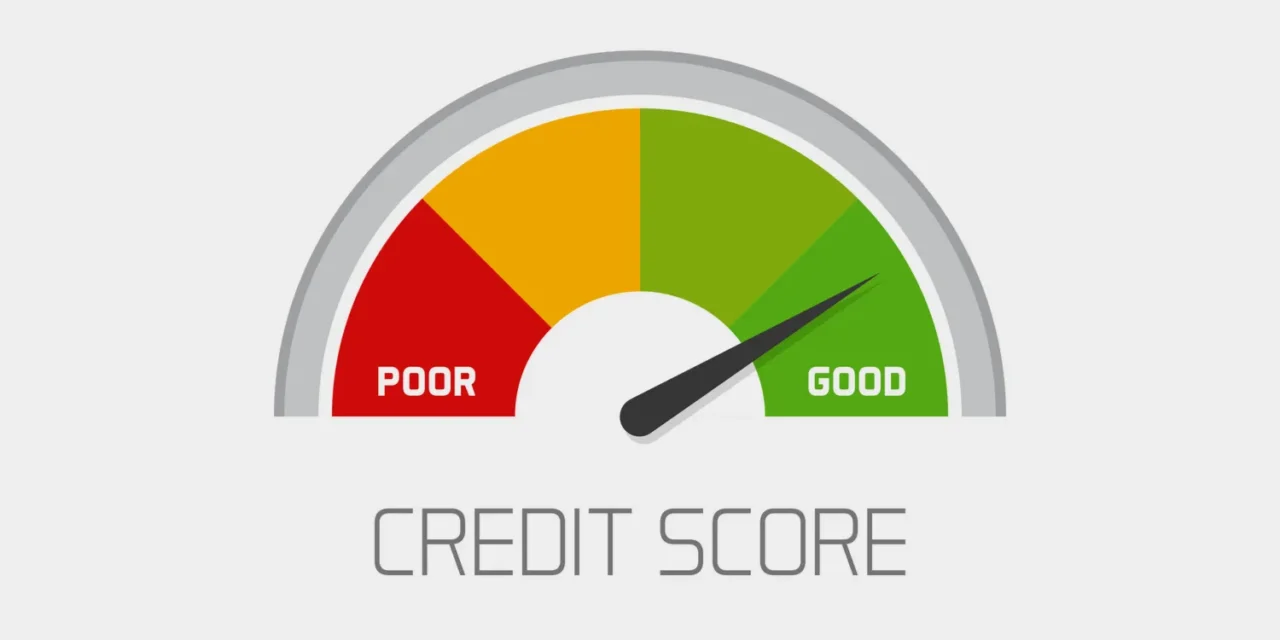
Before we jump into the timeline of your life, let us clear the air on what we are actually talking about. In India, credit scores usually range from 300 to 900. The closer you are to 900, the more reliable you appear to lenders. If you are sitting between 300 and 550, you have some serious work to do because loans will be hard to get. A score between 550 and 700 is average; you might get the money, but you will pay higher interest. However, once you cross 750, you enter the zone of a strong credit score. This is where you become a VIP customer for banks, and they start chasing you with offers instead of the other way around.
The Roaring 20s: Laying the Foundation
Your 20s are exciting. You likely have your first paycheck, your first taste of financial freedom, and perhaps your first credit card. It is tempting to swipe that card for the latest smartphone or a trip to Goa, thinking you will pay it off later. But this is exactly where the foundation of your financial house is built.
When you are young and have zero credit history, banks are hesitant to lend to you. They do not know if you are a safe borrower. By using a basic credit card responsibly or paying off your education loan on time, you generate a history. A strong start here means that by the time you are 28 or 29 and thinking about a car or a bike, your score is already high. Also, many Indians in their mid-20s decide to go for an MBA or specialized masters abroad. If you have messed up your credit usage early on, getting an education loan without heavy collateral becomes a nightmare. A clean record ensures your higher education plans do not get stalled.
Another interesting trend in Indian metros is rental agreements. Some landlords and even employers in the financial sector now run a background check that includes a credit report. They view a disciplined repayment history as a sign of a disciplined employee or tenant. You would not want to lose a dream job opportunity just because you forgot to pay a credit card bill two years ago.
The Thriving 30s: Big Dreams, Big Expenses
Welcome to your 30s. This is usually the decade of settling down. You might be getting married, planning for kids, or looking to buy your first home. This is where a strong credit score stops being just a number and starts translating into lakhs of rupees in savings.
Let us be real about housing. Buying a house is the biggest financial decision for most Indian families. The difference between a credit score of 650 and 750 can be the difference of 0.5 percent to 1 percent in your home loan interest rate. Imagine you take a home loan of 50 Lakhs for 20 years. At a lower interest rate offered to high-score individuals, your EMI is manageable. But at a higher rate, you end up paying lakhs more over the tenure. That extra money could have been a brand-new car or a fund for your child’s education, but it is wasted just because of a lower score.
When you walk into a bank with a score of 800, you do not just accept what they offer. You negotiate. You can ask for a waiver on processing fees or demand the lowest advertised interest rate. Bank managers are empowered to give concessions to low-risk customers. Your score gives you that bargaining power. Additionally, by your 30s, your spending increases on travel and dining. Premium credit cards offer benefits like free airport lounge access and massive cashback. These cards are exclusive and rarely offered to anyone with a sub-par credit history. A great score unlocks these lifestyle upgrades for free.
The Established 40s: Expanding Horizons
In your 40s, you are likely at the peak of your career. Your income is higher, but so are your responsibilities. You might be looking to expand a business, buy a second property, or send your kids to expensive colleges.
If you decide to start a side hustle or expand your business, lenders will look at your personal credit score first. A strong financial reputation acts as a trust signal. It tells investors and banks that you respect money and repayment timelines. Also, did you know you can get a top-up loan on your existing home loan? It is usually cheaper than a personal loan. But banks only approve this facility if your repayment track record on the original loan has been spotless. This liquidity can be a lifesaver for home renovations or medical emergencies.
Emergencies do not knock before entering. A medical crisis or a sudden travel requirement might need immediate funds. If you have maintained a high score, banks will happily increase your credit card limit to 5 Lakhs or even 10 Lakhs. This acts as an interest-free emergency fund for 45 to 50 days, giving you breathing room to arrange finances.
The Golden Years: 50s and Retirement
Many people think that once they retire, they do not need a credit score because they will not take loans. This is a dangerous myth. A strong credit score is perhaps most crucial when your active income stops.
While still in the early stages in India, the trend is catching up where insurers use credit scores to assess risk. A person who is disciplined with credit is statistically less likely to file fraudulent claims. A good score might help you lock in lower premiums for health or car insurance, keeping your retirement expenses low. For senior citizens who are asset-rich but cash-poor, a reverse mortgage allows them to get a monthly income from the bank against their house, while still living in it. Banks are extremely cautious with these products. A lifetime of good credit behavior makes the approval process for such specialized senior citizen products much smoother.
You might not need a loan, but your children might. If your son or daughter needs an education loan or a business loan, they might need a co-applicant. Your high credit score can be the gift that secures their future. It allows you to stand as a strong guarantor for your family.
How to Build and Maintain a Strong Score
It is not rocket science. You do not need a Chartered accountant to help you fix this. You just need discipline. The golden rule is to never miss an EMI. Even a delay of two days is reported to the bureau. Set up auto-debits so you never forget. Also, keep your credit utilization low. Just because your credit card limit is 1 Lakh does not mean you should spend 90,000. Try to keep your usage under 30 percent. High usage screams credit hungry to lenders.
Another tip is to not close old cards. The age of your credit history matters. If you have a credit card you have used for 10 years, keep it active. It proves you have a long-term stable relationship with credit. Lastly, monitor your report. Sometimes, errors happen. A loan you closed might still show as active due to a bank error. Check your report once a year to catch these mistakes. For more insights on managing your money smartly, check out our guide on financial planning tips.
Common Myths That Ruin Scores
Let us bust a few myths that float around in WhatsApp groups. First, people think checking their own credit score lowers it. This is false. When you check your own score, it is a soft inquiry and has zero impact. Only when a bank checks it, it is a hard inquiry which might dip the score slightly. Second, some believe if they do not use credit cards, their score must be perfect. Actually, if you never use credit, you have no history. This is sometimes worse than bad history because banks have no data to judge you. You become a thin file customer.
The Final Verdict
From the moment you swipe your first card in your 20s to the day you sign your pension papers, your financial life is being recorded. A strong credit score is not just about getting loans; it is about living a life of financial dignity and options. It gives you the freedom to buy that dream home, the security to handle emergencies, and the legacy of being a trustworthy individual. So, treat this number with respect. Nurture it, protect it, and let it work for you. After all, in the world of finance, your reputation is your greatest currency. For official details on credit scoring norms, you can always refer to the Reserve Bank of India (RBI) guidelines or major bureau websites.
Frequently Asked Questions
1. How often does my credit score update?
Your credit score typically updates every 30 to 45 days as banks send new data to the bureaus.
2. Can a strong credit score get me a job?
Yes, some employers in banking and finance sectors check credit scores to assess a candidate’s financial integrity.
3. Will being a guarantor affect my credit score?
Yes, if the primary borrower defaults on the loan, your credit score will also take a hit.
4. Is 750 a good enough score for a home loan?
Absolutely, 750 is widely considered the magic number for getting the best interest rates on home loans.
5. Can I improve a bad credit score?
Yes, by paying dues on time and reducing debt, you can improve a bad score over 6 to 12 months.